Types of Materials Used in Subfloor Installation
People seeking subfloor installation often want to know about types of materials used in subfloor installation, and local contractors can recommend and install the best options for their space.
Understanding the different types of materials used in subfloor installation is essential for property owners considering upgrades or repairs. The choice of subfloor material can impact the durability, stability, and overall performance of the flooring above, making it a key consideration in any renovation or new construction project. Property owners in the area might explore this topic to ensure their homes or commercial spaces are built on a solid foundation, preventing issues like sagging, warping, or moisture problems down the line. By learning about the options available, they can make informed decisions and connect with local contractors who specialize in installing the right materials for their specific needs.
Many local service providers offer expert subfloor installation services tailored to different types of materials, ensuring that each project meets the unique requirements of the space. Whether considering plywood, oriented strand board (OSB), concrete, or other options, property owners can benefit from the knowledge and experience of local contractors who understand the strengths and limitations of each material. Continuing to explore this topic can help property owners identify the best solutions for their properties and find qualified professionals ready to deliver quality installation work.
- Wood-based subfloor - Ideal for residential spaces requiring a natural and durable surface, and local contractors often recommend plywood or oriented strand board for straightforward installation.
- Concrete subfloor - Common in basements or ground-level areas needing a stable foundation, with service providers typically preparing the surface before laying appropriate materials.
- OSB (oriented strand board) subfloor - Suitable for new constructions or renovations, where local pros choose OSB for its affordability and strength.
- Foam or lightweight subfloor materials - Used in scenarios seeking insulation or reducing weight, with local specialists ensuring proper support and installation techniques.
- Composite or engineered subfloor materials - Selected for moisture-prone environments, as local service providers ensure proper sealing and compatibility with flooring types.
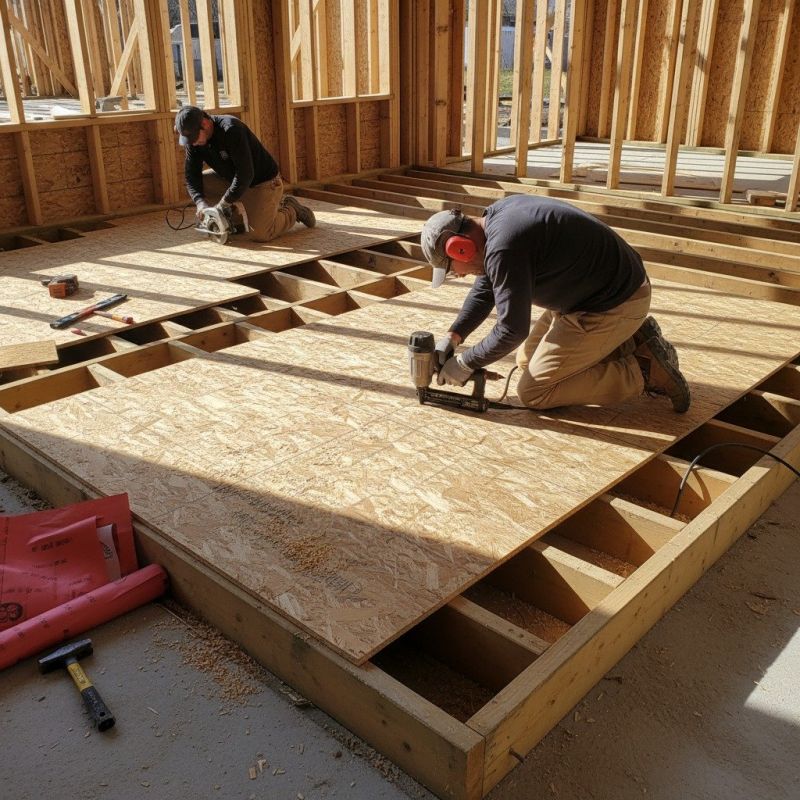
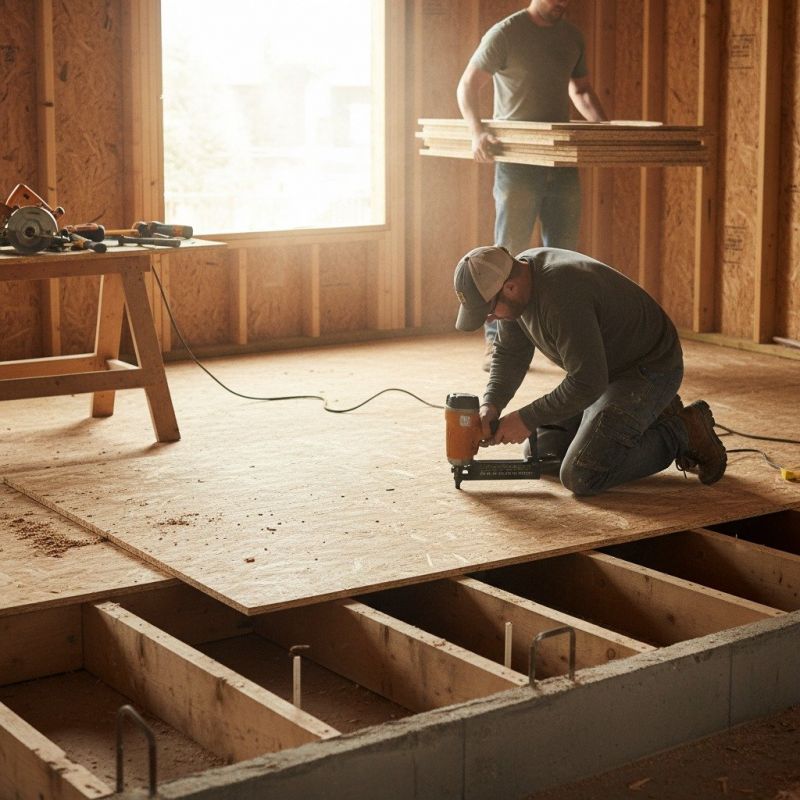
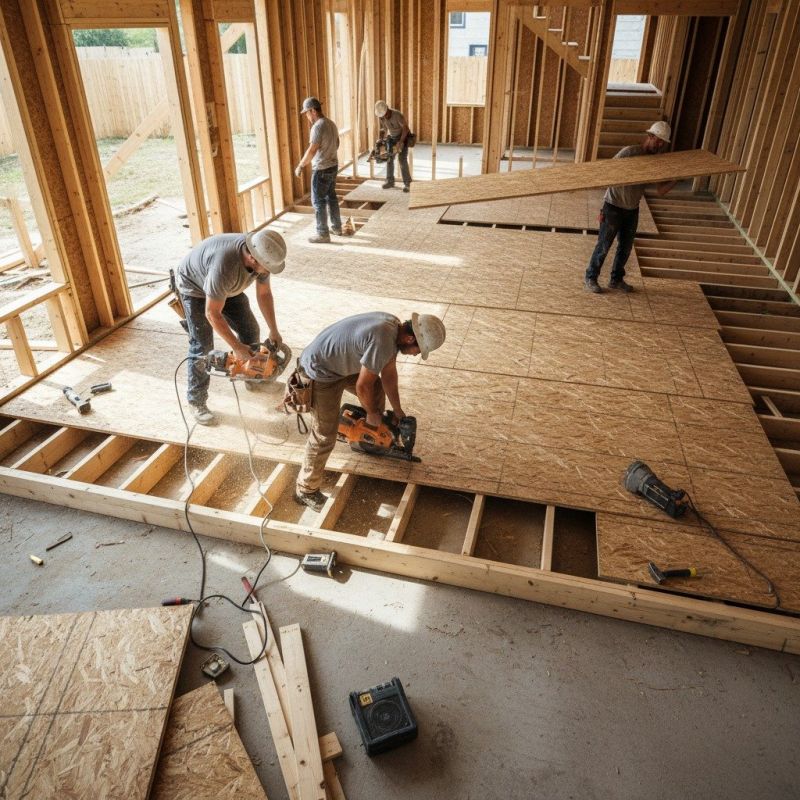
When searching for information about types of materials used in subfloor installation, homeowners often want to understand what options are available for creating a stable, durable base for flooring. This topic is closely related to planning a home renovation, remodeling a damaged or outdated subfloor, or ensuring that a new floor will perform well over time. Many property owners are concerned about choosing materials that will support specific flooring types like hardwood, tile, or carpet, while also considering factors such as moisture resistance, load-bearing capacity, and ease of installation. Understanding the different materials helps homeowners make informed decisions and communicate effectively with local contractors who specialize in subfloor work.
The types of materials used in subfloor installation are central to addressing common problems like uneven surfaces, moisture infiltration, or structural weaknesses. For properties in areas prone to high humidity or flooding, selecting moisture-resistant or waterproof materials can prevent future issues such as mold or wood rot. Conversely, homes with heavy foot traffic or large open spaces may require stronger, load-bearing options to support furniture and appliances. Homeowners often plan for these considerations when preparing for a renovation or repair project, and knowing the available materials helps them match their specific needs with the right solutions. Local service providers can evaluate property conditions and recommend appropriate materials that align with the property's unique requirements.
Different property types frequently come up in discussions about subfloor materials, including residential homes, multi-family buildings, and commercial spaces. Residential properties often use materials like plywood or oriented strand board (OSB) because they are affordable and easy to work with. Multi-family dwellings might require more robust options such as concrete slabs or specialized underlayment systems to accommodate higher loads and foot traffic. Commercial spaces, especially those with specialized flooring needs, may incorporate materials like steel or concrete panels for added durability. Understanding the property type helps homeowners and property managers determine which subfloor materials will best support their flooring choices and long-term use. Local contractors are experienced in working with these different property types and can recommend suitable materials accordingly.
Ultimately, choosing the right types of materials used in subfloor installation is a key step in ensuring a successful flooring project. Homeowners should consider the specific conditions of their property, the type of flooring they plan to install, and the potential challenges that might arise. Working with local service providers who understand the nuances of subfloor materials can make the process smoother and more efficient. These professionals can assess the property's needs, recommend appropriate materials, and handle the installation properly to create a solid foundation for the finished floor. Proper selection and installation of subfloor materials help ensure that the final flooring looks good, performs well, and lasts for years to come.
Flooring Installation Projects - Installing various types of flooring often requires a solid subfloor, making the skills of local contractors essential for proper material preparation and installation.
Concrete Pouring and Finishing - Proper subfloor materials are crucial when preparing concrete slabs, and local pros can assist with the necessary groundwork and surface leveling.
Home Renovation and Remodeling - Upgrading subfloor materials is a common part of renovation projects, requiring expertise in planning and installing suitable subflooring for new finishes.
Basement Finishing Projects - Finishing basements involves selecting appropriate subfloor materials to handle moisture and weight, with local service providers equipped to handle these tasks.
Commercial Space Flooring - Commercial flooring installations depend on durable subfloor materials, and local contractors can ensure the subfloor is prepared for heavy use.
Underlayment Installation Services - Installing underlayments for soundproofing or insulation often involves subfloor preparation skills that local pros can provide for optimal results.
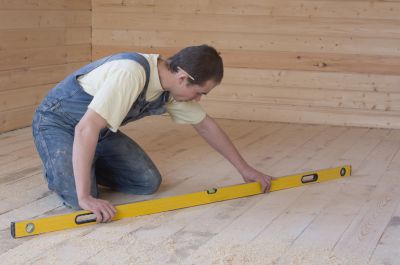
When evaluating local contractors for subfloor installation, it is important to consider their experience with similar projects, specifically those involving different types of materials used in subfloor installation. Homeowners should inquire about the contractor’s background in handling various subfloor materials, such as plywood, oriented strand board (OSB), or concrete, to ensure they are familiar with the specific requirements and challenges associated with each. Reputable service providers will be able to demonstrate a history of successfully completing projects with materials comparable to what is planned, which can help ensure the subfloor is installed properly and performs well over time.
Clear, written expectations are essential when comparing local contractors for subfloor installation services. Homeowners should seek detailed project descriptions, including the types of materials to be used, preparation steps, and the scope of work. This transparency helps prevent misunderstandings and ensures that both parties are aligned on the project’s goals. Service providers who provide thorough estimates and written descriptions of the work involved can help homeowners better understand what to expect, making it easier to compare options and select a contractor who communicates clearly and professionally.
Reputable local contractors are often distinguished by their references and communication practices. Homeowners should ask for references from previous clients who had similar subfloor projects, especially those involving specific materials or installation techniques. This feedback can offer insight into the contractor’s reliability, craftsmanship, and professionalism. Good communication is also a key factor; service providers who are responsive, attentive to questions, and willing to discuss material options and installation methods can help homeowners make informed decisions and feel confident in their choice of a contractor for subfloor installation.
Property owners often search for types of materials used in subfloor installation when they are planning practical projects around their homes and businesses. Local pros provide Subfloor Installation services for everyday jobs and straightforward project options.
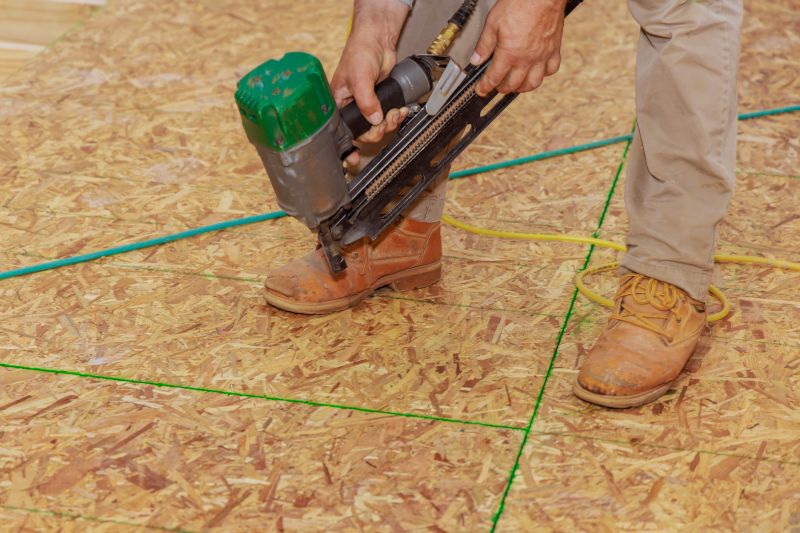
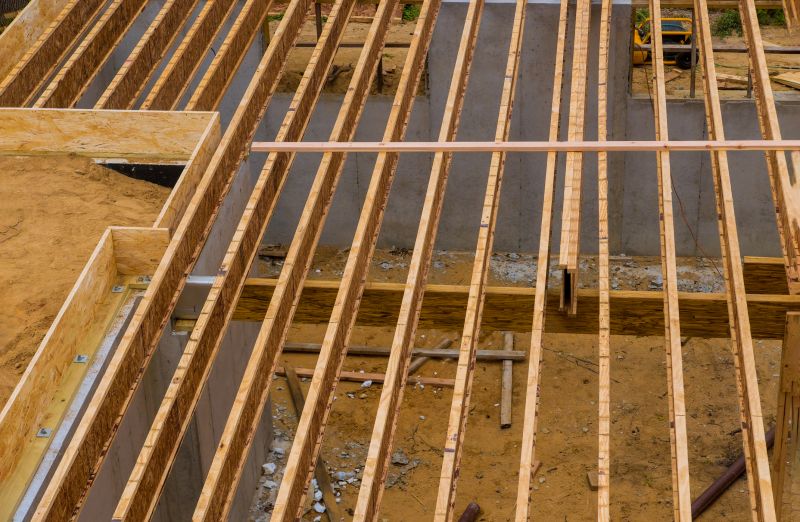
When considering subfloor installation, property owners often explore the different types of materials used to ensure a durable and stable foundation. Common options include plywood, oriented strand board (OSB), and concrete slabs, each offering unique benefits depending on the specific needs of the space. For example, plywood and OSB are popular choices for residential flooring because they provide a strong, level surface that supports various flooring finishes, while concrete slabs are frequently used in basements or ground-level areas for their strength and moisture resistance. Local contractors can help evaluate the existing structure and recommend the most suitable materials based on factors like load requirements, moisture levels, and the type of flooring to be installed.
Property owners in the area might look up this topic to better understand what materials are involved in creating a solid subfloor before starting a renovation or new construction project. Knowing the differences can help them make informed decisions about which options will best support their flooring choices and long-term stability. When seeking subfloor installation services, local service providers can assist in selecting and installing the right materials to meet the specific demands of each project, ensuring a reliable foundation that will last over time.
What are common materials used in subfloor installation? Common materials include plywood, oriented strand board (OSB), and concrete, which are selected based on the type of flooring and the building's requirements. Local contractors can recommend suitable options for specific spaces.
Why might a contractor choose plywood over OSB for a subfloor? Plywood is often chosen for its durability and resistance to moisture, while OSB is a cost-effective alternative that provides good strength. Local service providers can advise on the best material for the project's conditions.
Are there specific materials used in subfloor installation for concrete slabs? Yes, concrete slabs typically serve as the subfloor itself, or a layer of rigid foam or moisture barrier may be added to improve stability and moisture resistance. Local pros can determine the appropriate materials for concrete subfloors.
Can engineered wood be used as a subfloor material? Engineered wood panels can sometimes be used as a subfloor, especially in renovation projects, due to their stability and ease of installation. Local contractors can assess if this material suits the specific application.
What factors influence the choice of subfloor materials? Factors include the type of flooring to be installed, moisture levels, load-bearing needs, and budget. Experienced local service providers can help select the best materials for each project.
Plywood subfloors - Property owners can consider plywood when installing a durable and stable base for hardwood or laminate flooring, with local contractors providing proper installation techniques.
Concrete slabs - For ground-level or basement projects, concrete can serve as a solid subfloor, with local service providers ensuring proper leveling and moisture barriers.
OSB (oriented strand board) - This material offers a cost-effective option for subflooring in residential spaces, with local pros helping to ensure correct placement and support.
Joist systems - Using wood or metal joists, property owners can create a sturdy framework for various flooring types, with local contractors handling the structural setup.
If you are thinking about types of materials used in subfloor installation for a property, this guide is meant to help you understand this topic, the typical project types, and how different options might fit your plans.
When you are ready, you can use the quote form on this page to share a few details about your project. From there, local pros can review the basics and follow up with options that match what you have in mind.